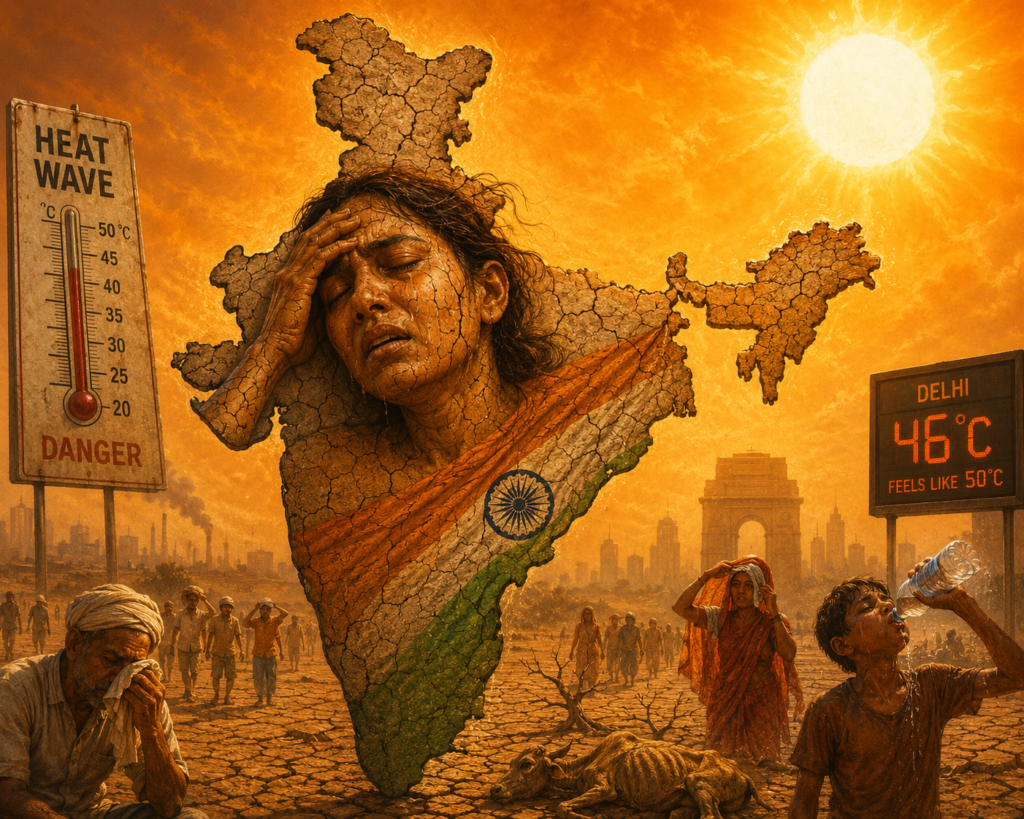
Rising Heat Waves in India – A Serious Warning for the Future – According to recent global heat surveys and temperature rankings, India occupies nearly 97 positions among the top 100 hottest regions and cities in the world. This is a clear indication that the country may face even more severe heat waves in the coming years if climate conditions continue to worsen. States such as Odisha, Bihar, and Uttar Pradesh frequently record some of the highest temperatures in the country. These are closely followed by several urban centers across Chhattisgarh, Rajasthan, and Maharashtra, where extreme heat conditions are also becoming increasingly common.
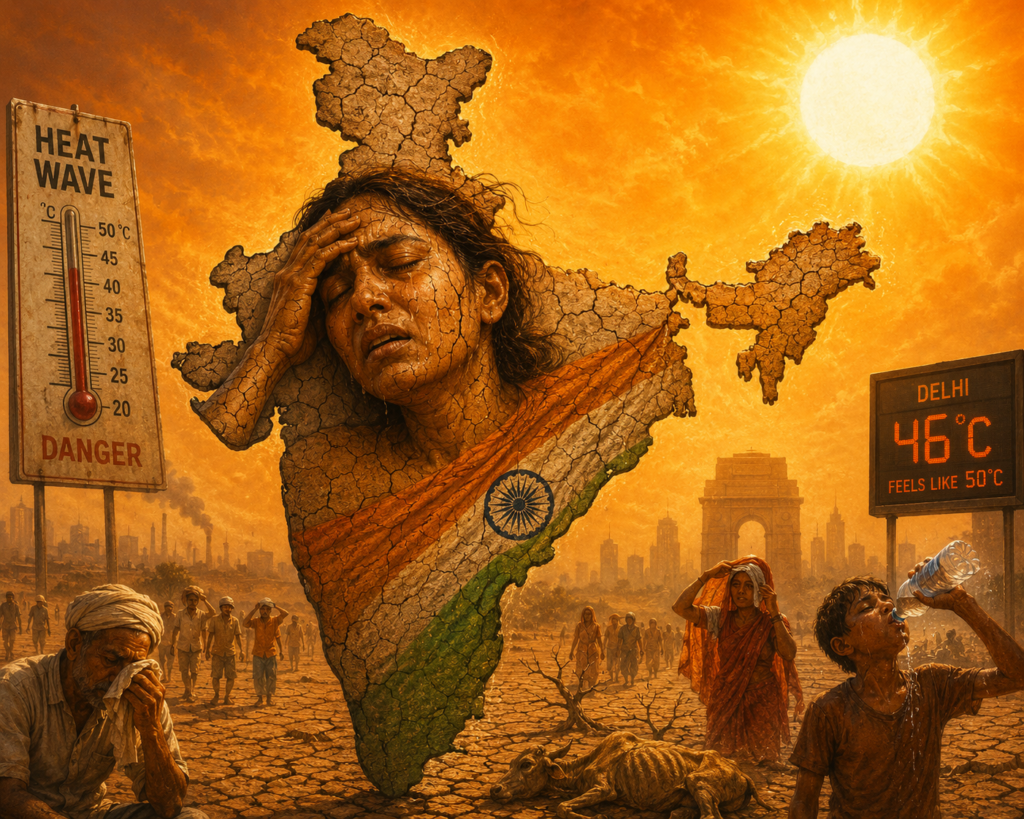
To some extent, people living in warmer climates may naturally develop better adaptability and immunity toward heat. However, the kind of extreme heat waves we are witnessing today is becoming dangerous and life-threatening. The increasing temperatures year after year are affecting human health, daily life, and the overall environment in alarming ways.
Earlier, even during summer seasons, temperatures used to reduce during the night, giving the human body time to recover and relax. But nowadays, heat continues even during nighttime, leaving very little relief for people. Continuous exposure to high temperatures without proper recovery is creating serious health concerns, especially for children, elderly people, outdoor workers, and people with medical conditions.
Indirect Financial and Social Effects of Extreme Heat
1. Impact on Street Vendors
Street vendors and small roadside businesses are struggling to survive during extreme temperatures. Due to intense heat, customer movement reduces significantly, directly affecting their daily income and livelihood.
2. Effect on Physical Marketing and Outdoor Jobs
Many professions depend on outdoor activities, including physical marketing, field sales, delivery services, construction work, and labor-based jobs. High temperatures are reducing productivity and making it difficult for workers to perform efficiently and safely.
3. Farmers Facing Severe Difficulties
Farmers are among the most affected groups during heat waves. Many agricultural activities must be carried out within a specific seasonal timeframe. However, due to unbearable temperatures, laborers are often unwilling or unable to work in the fields. This directly affects farming operations, crop collection, transportation, and timely selling in markets, leading to financial losses for farmers.
Human Activities and Environmental Damage
Another major concern is the continuous destruction of nature by humans over several decades. Large-scale cutting of trees, urban expansion, industrialization, and environmental pollution are damaging the natural balance that once helped regulate temperatures.
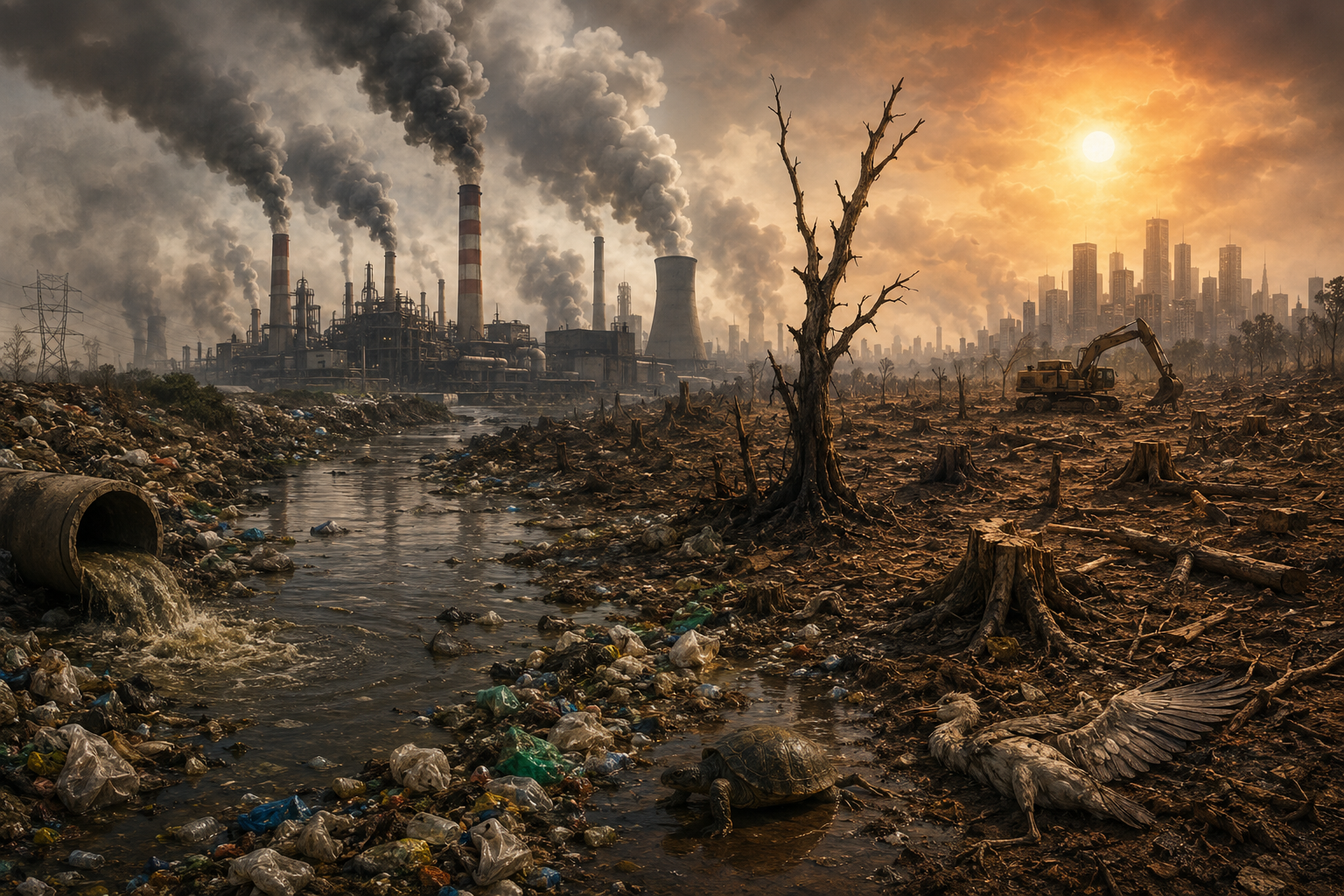
Over the last 10 years, population growth has increased rapidly, and in the process of development and survival, many natural resources and green areas have been removed. Trees and forests play a vital role in reducing heat and maintaining environmental stability. Their destruction is one of the major reasons behind rising temperatures and climate imbalance.
Seasonal Disturbances and Climate Changes
In recent years, we have also observed major disturbances in seasonal patterns. Traditionally, rainy, winter, and summer seasons used to arrive during predictable periods. But now, weather conditions are becoming increasingly irregular and unpredictable.
Unexpected rainfall, delayed winters, extreme summers, and unusual climate patterns clearly indicate that the Earth’s natural systems are under stress. Day by day, nature and the environment appear to be deteriorating.
Need for Scientific Research and Lifestyle Changes
Scientists, environmental experts, and climate researchers across the world should continue conducting detailed studies and provide practical lifestyle recommendations to the public. Governments, organizations, and individuals must work together to reduce environmental damage and control climate disturbances before the situation becomes irreversible.
Precautions During Extreme Heat
To protect ourselves during these critical heat conditions:
-
- Drink plenty of water regularly.
-
- Consume fruits and vegetables to keep the body hydrated.
-
- Avoid unnecessary exposure to direct sunlight.
-
- Limit outdoor activities during peak afternoon temperatures unless work is unavoidable.
-
- Use protective clothing and take regular rest when working outside.
Conclusion
When viewing global temperature maps, India often appears in deep red zones, symbolizing dangerously high temperatures. This is not sustainable, healthy, or nature-friendly for the future of humanity.
The rising heat across the country should not be ignored. It is a warning sign that immediate environmental awareness, climate responsibility, and lifestyle changes are necessary to protect both nature and human life for future generations.