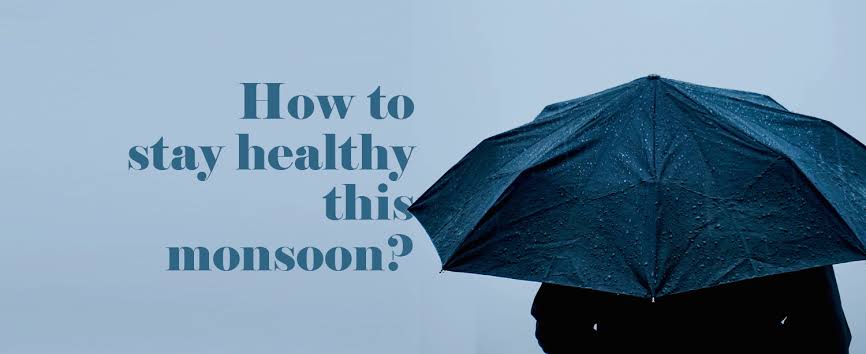
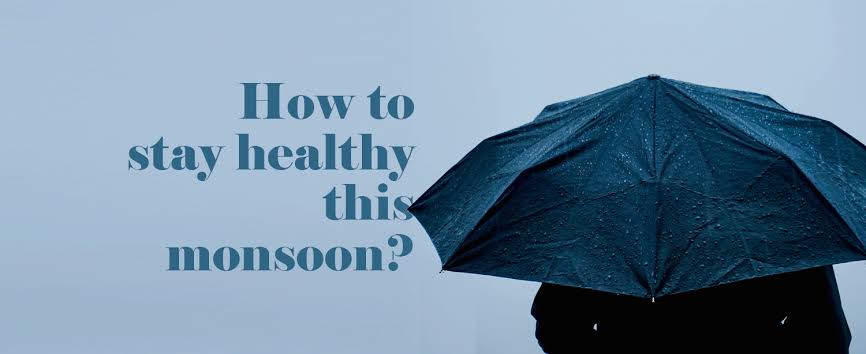
How to Stay Healthy During the Monsoon Season: 10 Simple Tips for a Safe and Happy Rainy Season – The arrival of the monsoon transforms the environment with cooler temperatures, lush greenery, and refreshing rain. While it’s one of the most enjoyable seasons of the year, it also brings certain health challenges. Increased humidity, stagnant water, and contaminated food or water can raise the risk of infections and seasonal illnesses.
Fortunately, staying healthy during the rainy season doesn’t require complicated routines. A few smart daily habits can help you and your family enjoy the monsoon without compromising your well-being.
1. Choose Freshly Prepared Meals
Warm, freshly cooked food is one of the safest choices during the monsoon. High humidity encourages the growth of bacteria and fungi, causing food to spoil more quickly.

To reduce the risk of foodborne illnesses:
- Prepare meals fresh whenever possible.
- Wash fruits and vegetables thoroughly before use.
- Refrigerate leftovers promptly and reheat them properly before eating.
- Avoid consuming food that has been left at room temperature for long periods.
Healthy eating starts with safe food preparation.
2. Drink Safe and Clean Water
Heavy rains can affect water quality by allowing harmful microorganisms to enter drinking water sources. Consuming contaminated water may lead to stomach infections and waterborne diseases.
Protect yourself by:
- Drinking boiled, filtered, or purified water.
- Carrying a reusable water bottle when traveling.
- Avoiding water from unknown or untreated sources.
- Staying hydrated throughout the day to support overall health.
Clean drinking water is one of the simplest ways to prevent illness.
3. Eat Foods That Support Your Immune System
Your immune system works continuously to protect your body from infections. A balanced diet helps it perform at its best.
Include foods such as:
- Citrus fruits, guava, amla, and berries
- Green leafy vegetables
- Whole grains
- Lentils, beans, eggs, and fish
- Nuts and seeds
- Yogurt and other probiotic foods
Limiting sugary drinks and highly processed foods can also support better immunity.
4. Be Careful When Eating Outside

Rainy weather can make it difficult to maintain proper food hygiene in outdoor settings. Food exposed to moisture, dust, or insects may become unsafe to eat.
If you enjoy seasonal snacks, prepare them at home whenever possible. Homemade food allows you to control the ingredients, cleanliness, and cooking methods while reducing the risk of stomach infections.
5. Practice Good Personal Hygiene
Simple hygiene habits are highly effective in preventing the spread of bacteria and viruses.
Make these practices part of your daily routine:
- Wash your hands before meals and after using the restroom.
- Bathe regularly.
- Keep your fingernails clean and trimmed.
- Avoid touching your eyes, nose, and mouth with unwashed hands.
- Change into dry clothes after getting wet in the rain.
Small habits can make a big difference in protecting your health.
6. Prevent Mosquito Breeding Around Your Home
Standing water becomes an ideal breeding ground for mosquitoes during the rainy season. Diseases such as dengue and malaria spread more easily when mosquito populations increase.
Reduce mosquito breeding by:
- Emptying water collected in buckets, flower pots, coolers, and containers.
- Keeping drains clean and free from blockages.
- Covering water storage tanks.
- Using mosquito repellents, window screens, or mosquito nets.
A clean environment helps protect the entire family.
7. Wear Dry and Comfortable Clothing
Remaining in wet clothing for extended periods can lead to skin irritation and fungal infections.
To stay comfortable:
- Change into dry clothes immediately after getting wet.
- Dry your shoes completely before wearing them again.
- Choose breathable fabrics such as cotton.
- Keep your feet clean and dry throughout the day.
Healthy skin begins with proper care.
8. Stay Active Even on Rainy Days
Bad weather shouldn’t interrupt your fitness routine. Regular physical activity improves circulation, supports immunity, and helps reduce stress.
Indoor activities include:
- Yoga
- Stretching
- Walking indoors
- Bodyweight exercises
- Dancing
- Light strength training
Just 30 minutes of daily movement can contribute significantly to your overall health.
9. Prioritize Rest and Mental Well-Being
Quality sleep is essential for a strong immune system. A well-rested body is better equipped to fight infections and recover quickly.
Aim for:
- Seven to nine hours of sleep each night.
- A consistent bedtime routine.
- Relaxation through reading, meditation, breathing exercises, or calming music.
Taking care of your mental health is just as important as caring for your physical health.
10. Listen to Your Body
Seasonal illnesses often begin with mild symptoms that can worsen if ignored.
Pay attention to warning signs such as:
- High fever
- Persistent cough
- Severe body pain
- Vomiting
- Diarrhea
- Skin rashes
- Difficulty breathing
If symptoms become severe or continue for several days, seek medical advice without delay. Early treatment often leads to faster recovery.
Common Health Problems During the Monsoon
Some illnesses become more common during the rainy season, including:
- Viral fever
- Common cold
- Influenza (flu)
- Food poisoning
- Diarrhea
- Dengue
- Malaria
- Typhoid
- Leptospirosis
- Fungal skin infections
Most of these conditions can be prevented by following good hygiene, maintaining a nutritious diet, drinking safe water, and keeping your surroundings clean.
Final Thoughts
The monsoon is a wonderful season that brings beauty, cooler weather, and a welcome break from the summer heat. With a little extra care, you can enjoy every rainy day while protecting your health.
Healthy food, clean drinking water, proper hygiene, regular exercise, quality sleep, and mosquito prevention are simple habits that go a long way in keeping you and your loved ones safe.
Remember, staying healthy during the monsoon isn’t about avoiding the rain—it’s about making smart choices every day so you can enjoy the season with confidence.